

Key points
- Aberdeen summit held to translate UK–China relations into practical regional partnerships
- Speakers emphasised pairing Scotland’s marine engineering, research, and subsea talent with China’s renewable manufacturing and battery storage capabilities
- Panellists highlighted how smart logistics and direct air freight routes are lowering barriers for Scottish SMEs’ exports
Continued international collaboration between Scotland and China is key to delivering the net zero energy transition, attendees heard at a major summit in Aberdeen.
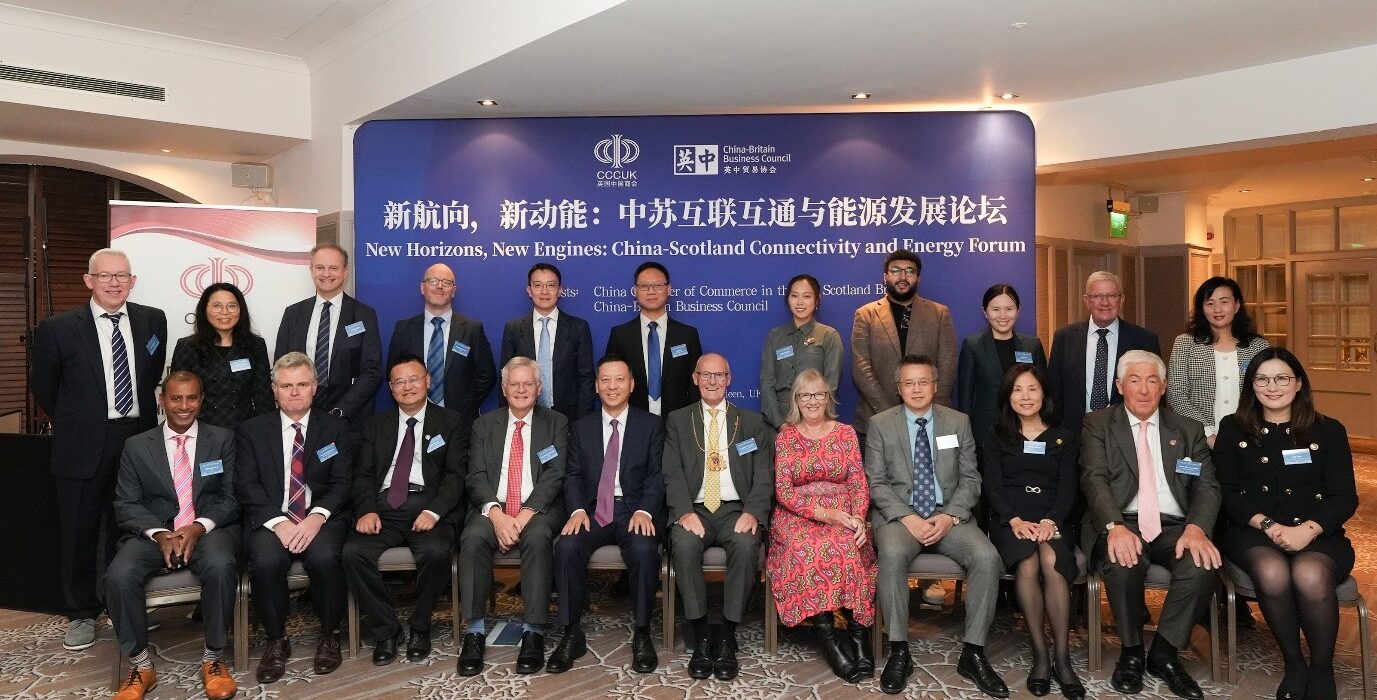
The China-Britain Business Council (CBBC) and the China Chamber of Commerce in the UK (CCCUK) Scotland Branch brought together over 60 business leaders, policymakers, and industry experts in Aberdeen to explore new pathways for bilateral trade, logistics integration, and the net-zero transition.
The event, New Horizons, New Engines: China–Scotland Connectivity and Energy Development Forum, was jointly hosted by the two organisations on 14 October. Moderated by John McLean OBE, senior adviser to CCCUK and chairman of the China–UK Business Development Centre, the forum underscored how regional expertise is driving the broader UK–China economic relationship forward.
A blueprint for bilateral cooperation
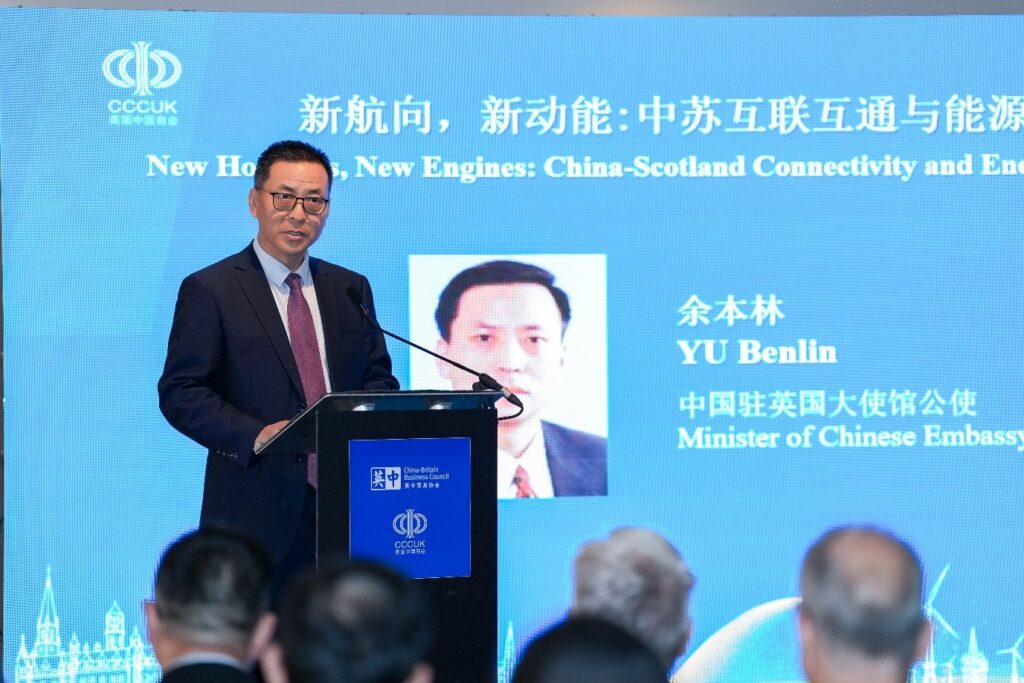
Delivering the keynote address, Yu Benlin, Minister of the Chinese Embassy in the UK, noted that high-level exchanges throughout 2026 have stabilised and improved bilateral relations, bolstering business confidence. With 2026 marking the first year of China’s 15th Five-Year Plan, Minister Yu emphasised that China’s commitment to high-standard opening-up offers substantial opportunities for Scottish enterprises, while stressing that major Chinese investments in the UK require a fair, predictable, and non-discriminatory policy environment.
To deepen engagement, Minister Yu outlined three priorities. Strengthening connectivity by optimising logistics networks and utilising platforms such as the China International Import Expo (CIIE) to boost Scottish exports. Leveraging complementary industrial strengths in offshore wind, energy storage, and oil and gas decarbonisation. Expanding cooperation in professional services, linking capital investment with expertise in finance, engineering consultancy, inspection, and certification.
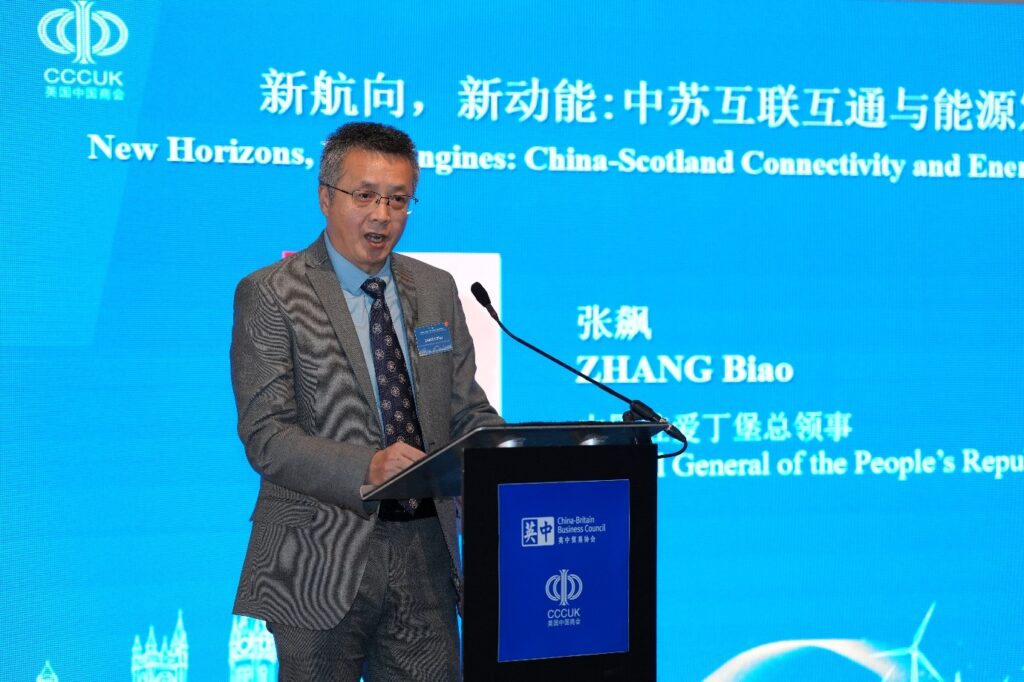
Echoing these themes, Zhang Biao, Consul General in Edinburgh, highlighted the human and academic dimensions of connectivity. He noted that efficient logistics directly improve livelihoods, while the talent cultivated in traditional energy sectors must be transferred to emerging green industries and urban transformation projects through open dialogue among business leaders, academics, and parliamentarians.
Pairing subsea heritage with manufacturing scale
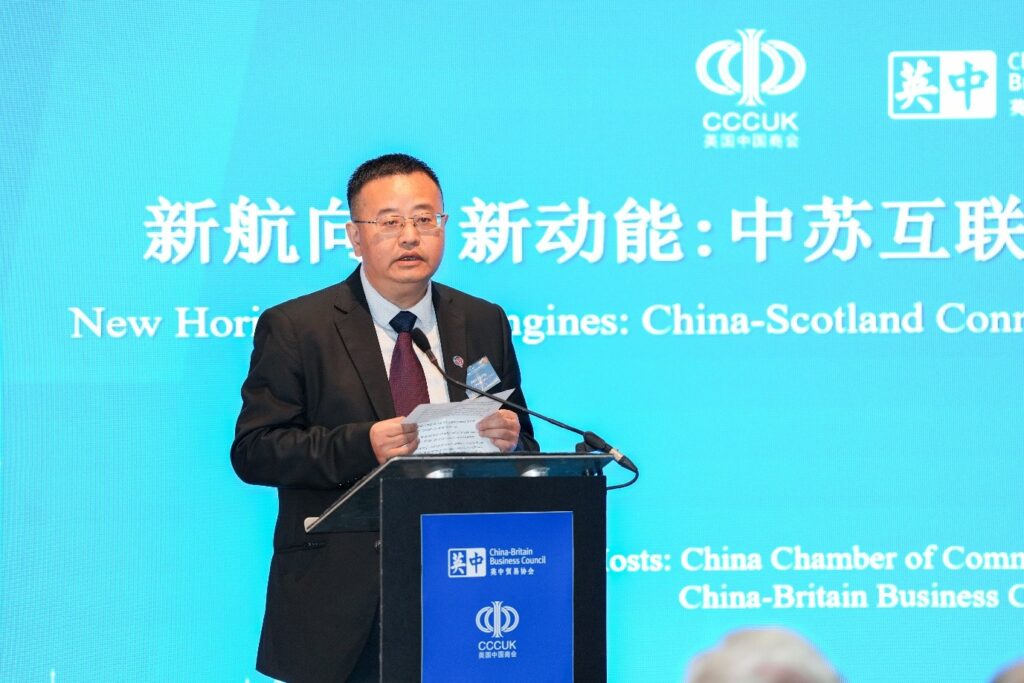
The synergy between Scottish innovation and Chinese industrial capacity formed the core of remarks from business and civic leaders. Pan Yiyong, managing director of CNOOC Petroleum Europe Limited and representative of CCCUK’s Scotland Branch, observed that connectivity extends beyond transport to the exchange of ideas, innovation, and people.
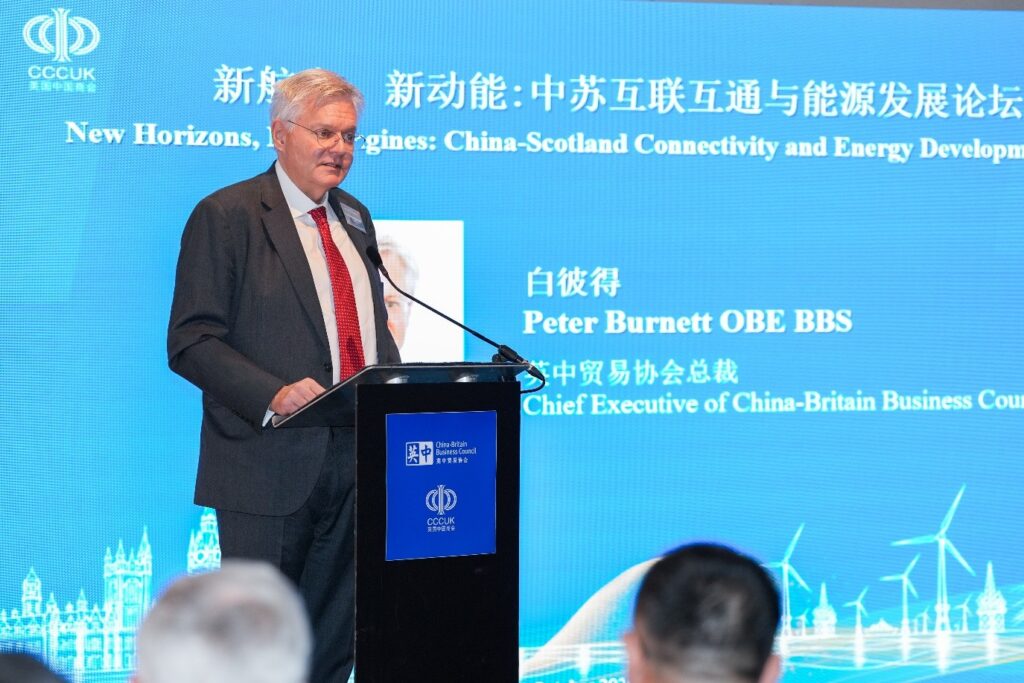
Peter Burnett OBE BBS, Chief Executive of the CBBC, pointed out that Aberdeen and North-East Scotland possess deep expertise in marine engineering and energy services. Combining these assets with China’s strengths in advanced manufacturing and battery storage can accelerate the deployment of low-carbon supply chains across both markets.
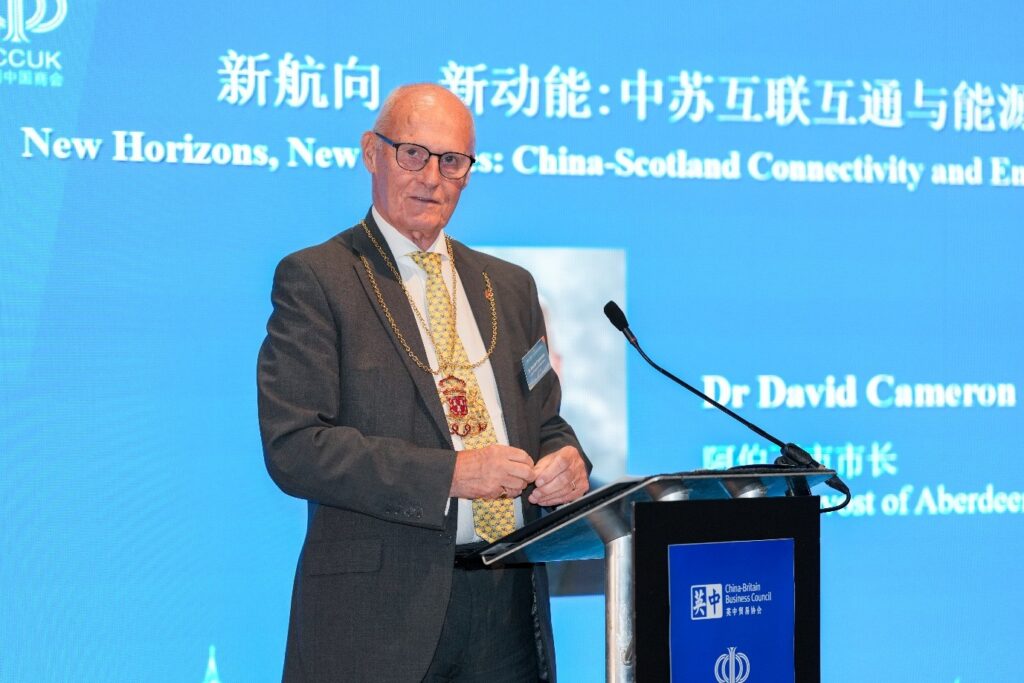
Dr David Cameron, Lord Provost of Aberdeen, welcomed international collaboration in carbon capture and storage, electrification, and offshore wind, stressing that the energy transition must remain fair and inclusive. Safeguarding high-quality jobs, he noted, requires sustained investment in skills, research, and talent development alongside commercially viable projects that benefit local communities.
Practical pathways: Logistics and low-carbon systems
Two specialist panel discussions examined the operational realities of bilateral trade and energy delivery.
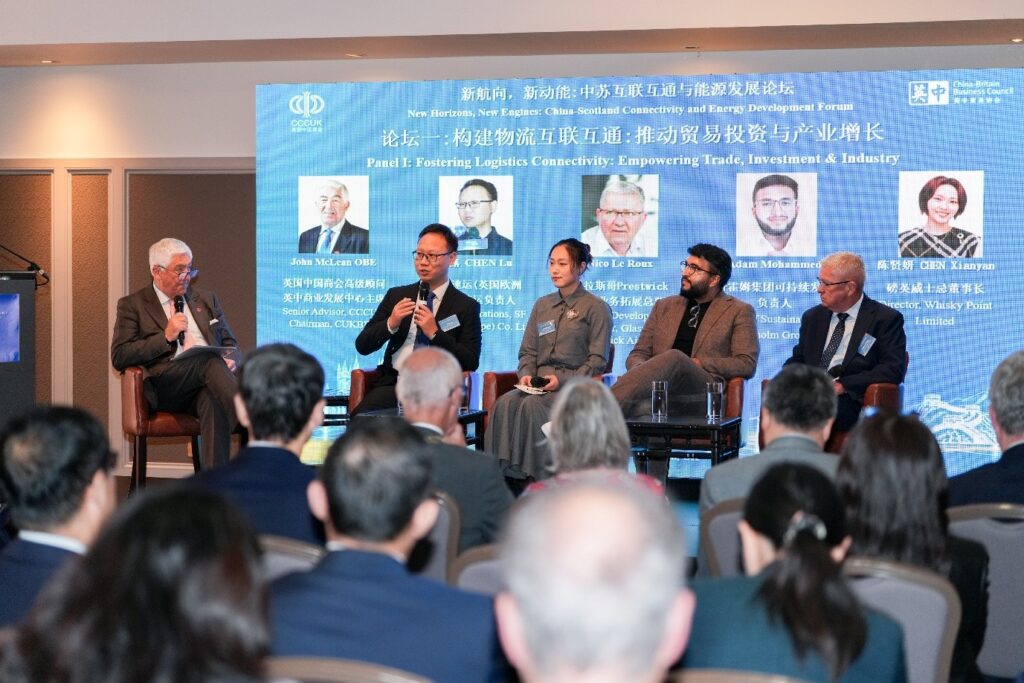
Fostering logistics connectivity: Empowering trade, investment & industry
Moderated by John McLean OBE and featuring panellists from SF Express (Europe), Denholm Group, Glasgow Prestwick Airport, and Whisky Point Limited, the first session explored how digitalisation – from smart warehousing and automated sorting to carbon emissions accounting – is creating seamless end-to-end supply chains.
Panellists noted that integrating direct air cargo routes with local distribution networks significantly cuts transit times for perishable goods like Scottish seafood, though greater awareness among SMEs is needed to maximise these channels.
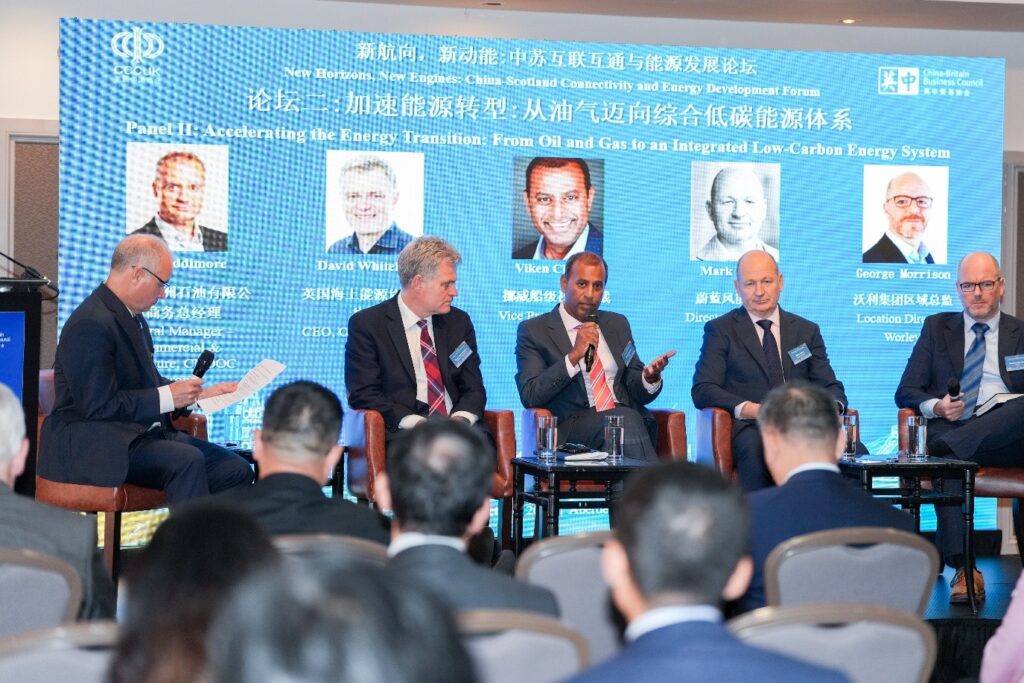
Accelerating the energy transition: From oil and gas to an integrated low-carbon energy system
Moderated by Carl Fiddimore of CNOOC Europe with senior representatives from Offshore Energies UK, DNV, Cerulean Winds, and Worley, the second panel addressed how North Sea oil and gas capabilities can underpin integrated low-carbon energy systems.
While the sector faces hurdles including lengthy planning approvals, grid constraints, and policy uncertainty, panellists agreed that early-stage coordination between UK marine engineers and Chinese large-scale manufacturers can reduce project risks and accelerate breakthroughs in floating offshore wind and industrial decarbonisation.
Enjoyed this story?