

Key points
- Stirling-Alloa bus services now fully run on Chinese-manufactured Yutong E12 electric buses
- Fleet of 30 buses saved an estimated 3,360 tonnes of carbon emissions in first year
- Net zero progress coincides with a 38% surge in passenger journeys since 2022
Chinese electric vehicle technology has played a central role in the decarbonisation of Scotland’s public transport infrastructure, with Midland Bluebird, part of McGill’s Group, announcing that its core bus routes connecting Stirling and Alloa are now fully electric.
Services 51 and 52, which operate between 5.30am and 11.30pm, are now served entirely by zero-emission Yutong E12 battery-electric buses, manufactured in Zhengzhou. The rollout follows the consolidation of Midland Bluebird’s depot operations at Larbert and marks the first anniversary of the operator’s £14 million investment to introduce 30 Yutong electric buses across the Forth Valley network.
At Stirling, passengers can also connect directly with the fully electric Service 38 to Forth Valley Royal Hospital and Falkirk.
Over the past 12 months, the 30-strong Yutong fleet has prevented an estimated 3,360 tonnes of carbon emissions from entering the atmosphere. Alongside environmental gains, the Chinese-built models feature air conditioning, USB charging ports, and significantly reduced noise levels – upgrades that have helped drive a 38% increase in customer journeys across Midland Bluebird since McGill’s Group acquired the business in September 2022.
Across its wider UK network, McGill’s has invested £95m in electric vehicle technology since 2021, bringing its total zero-emission fleet to 151 buses.
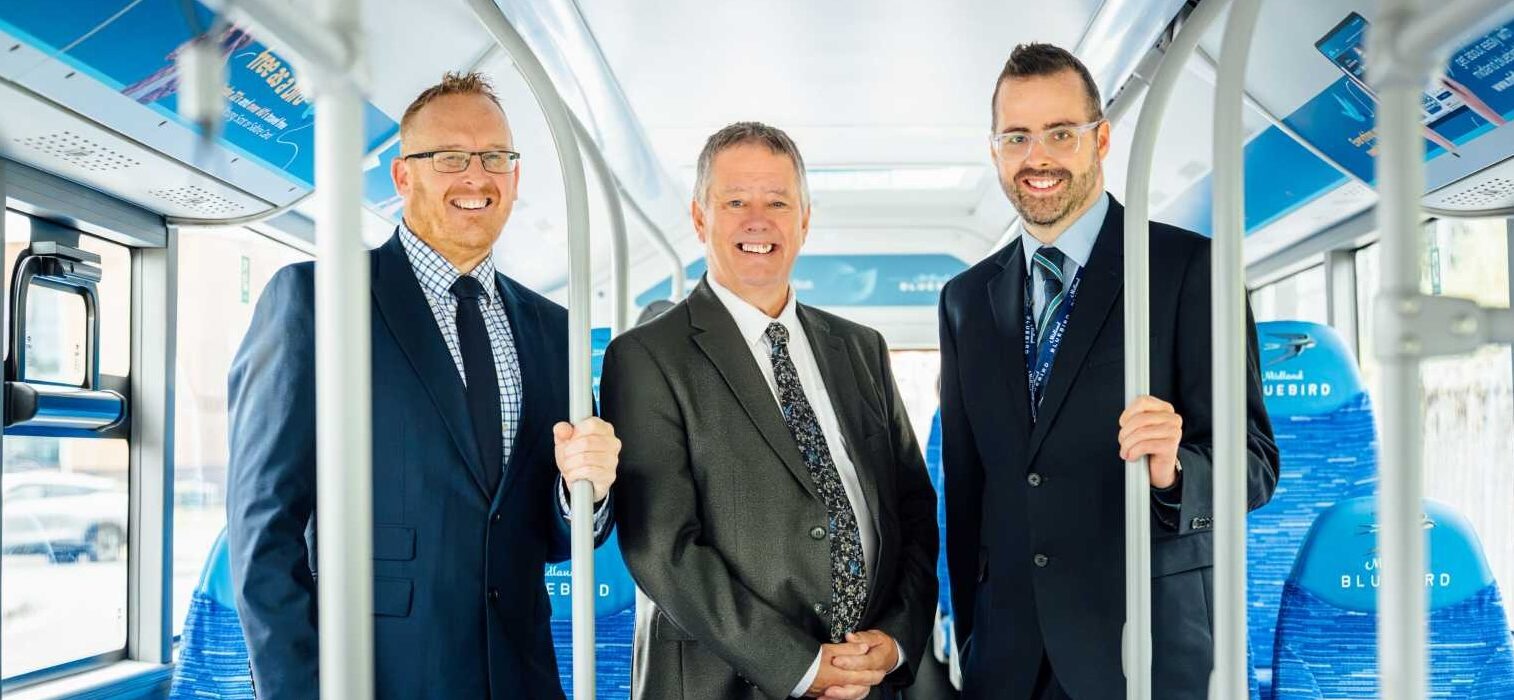
Marking the one-year milestone during a visit to the operator, Keith Brown, MSP for Clackmannanshire and Dunblane, welcomed the investment.
“Decarbonising public transport is a key part of the transition towards a net zero economy, bringing cleaner, quieter journeys and helping to create healthier communities,” Brown said. “I hope this investment can help deliver the reliable, high-quality service passengers rightly expect, rebuild trust and confidence in our local bus network, and encourage more people to choose public transport.”
Colin Napier, Group Service Delivery Director at McGill’s Buses, added: “We are proud to be playing our part in building a more sustainable transport network for the communities we serve.
“Making Services 51 and 52 fully electric builds on the improvements we have already introduced, from a dedicated team of drivers to better punctuality.”
The expansion in the Forth Valley reflects a broader surge in adoption of Yutong buses. Newly filed annual accounts for Castleford-headquartered Pelican Engineering Company (Sales) Limited, which has an exclusive distribution agreement as UK and Ireland importer and distributor for Yutong buses and coaches until the end of the decade, highlight the rapid adoption of Chinese commercial EVs across Scottish and UK markets.
For the financial year ended 31 March 2026, Pelican reported that turnover rose 15% to £260m (up from £226m in 2025), generating pre-tax profits of £17.7m.
The firm’s results stated: “By the end of March 2026, more than 2,600 Yutong buses and coaches were operating across the UK and Ireland, with several hundred additional vehicles on forward order.
“Alongside securing business from new customers, Pelican continues to receive repeat orders from a wide range of operators throughout England, Scotland and Wales.”
Enjoyed this story?