

Key points
- Former cabinet minister’s intervention on Ming Yang decision piles pressure on PM Burnham to reconsider
- Unanswered questions over Ed Miliband’s involvement as Energy Security and Net Zero Secretary
- UK missing opportunity to manufacture “brain and engine” of wind turbines
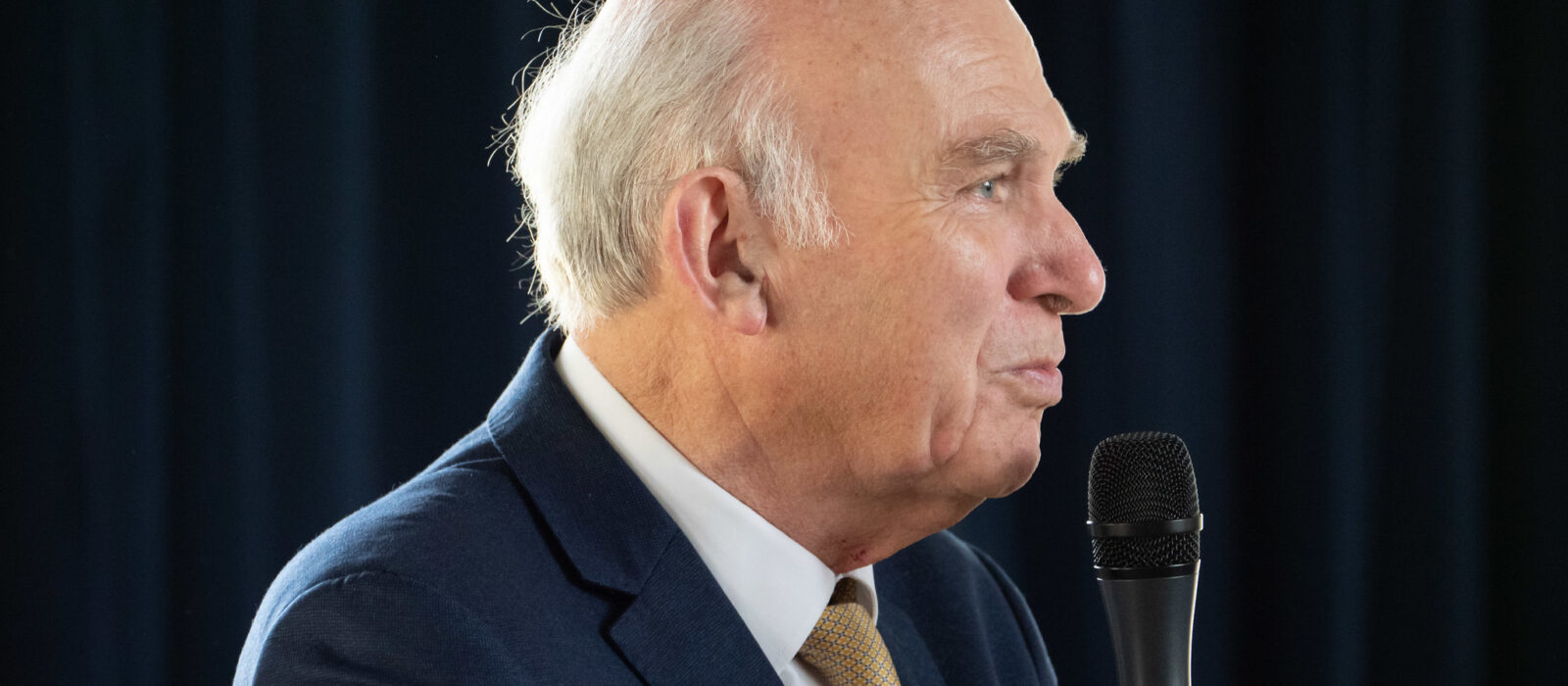
Former UK cabinet minister Sir Vince Cable has branded the blocking of Ming Yang’s proposed £1.5 billion investment in Scotland a “folly” that has caused a “major setback in UK-China relations”.
Sir Vince, who served as Secretary of State for Business, Innovation and Skills and President of the Board of Trade from 2010 to 2015 and later led the Liberal Democrats, told Scotland China Brief that the issue has “grown in interest and seriousness” over the past five months and had significantly undermined Keir Starmer’s successful visit to China earlier in the year.
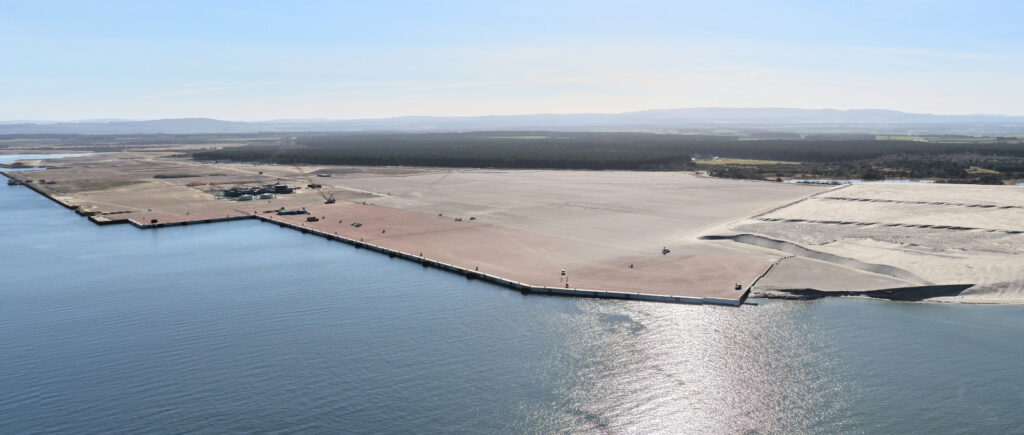
In October 2025, world-leading wind turbine manufacturer Ming Yang Smart Energy announced plans to build the UK’s largest and first fully integrated wind turbine manufacturing facility at Ardersier Port in the Scottish Highlands. The £1.5 billion project would, it said, have initially created up to 1,500 jobs with another 1,500 potentially to follow, as well as up to 8,000 jobs in the supply chain.
However, the business case for the project collapsed in late March 2026 when Starmer’s government said it would not allow turbines manufactured at the facility to be used in UK waters on grounds of “national security”.
Both Ming Yang and the Scottish Government have called on the new Prime Minister, Andy Burnham, to reverse his predecessor’s decision and allow the project to go ahead. His government has so far shown no sign of wavering.
‘Anti-wind and anti-China’
In comments to Scotland China Brief, Sir Vince questioned Ed Miliband’s unclear role in the Ming Yang decision as an Energy Security and Net Zero Secretary who previously said that renewable energy should be at the centre of UK-China relations.
Miliband, now Foreign Secretary, faces the task of repairing UK-China relations following the Ming Yang decision and the contentious nationalisation of British Steel, previously owned by China’s Jingye Group.
Sir Vince said the government’s position had drawn little public support beyond the Conservatives and Reform UK, whom he described as “anti-wind and anti-China”. He suggested one factor could be “Westminster-based parties” being “reluctant to align with the SNP administration” in Holyrood.
In an article published earlier this summer on his Substack, Sir Vince said he sympathised with then Deputy First Minister Kate Forbes, who condemned the decision as “simply sabotage of Scotland’s industrial future”.
“As a result of foresight not matched in the West, China now dominates production and technology in the sector,” he wrote, noting that the proposed Ardersier facility could be “potentially the largest turbine factory in the world” and suggesting that legitimate security concerns could be mitigated.
Huawei comparison
In his Substack article, Sir Vince also said there were “ominous similarities” with the UK government’s approach to Huawei. During his tenure as Secretary of State, he said he had sought and received assurances that security risks associated with the use of Huawei technology “could be monitored and managed”.
He continued: “Theresa May was given the same advice which led to the sensible compromise on 5G: that Huawei be excluded from the most sensitive work but used for peripheral hardware. After American intervention, however, this decision was overturned, and Huawei products were ripped out of the system at considerable cost to British consumers and companies.”
Sir Vince, whose academic qualifications in economics include a PhD from the University of Glasgow, said China “dominates production and technology” in the wind power sector, warning that the UK’s manufacturing supply chain is comparatively underdeveloped.
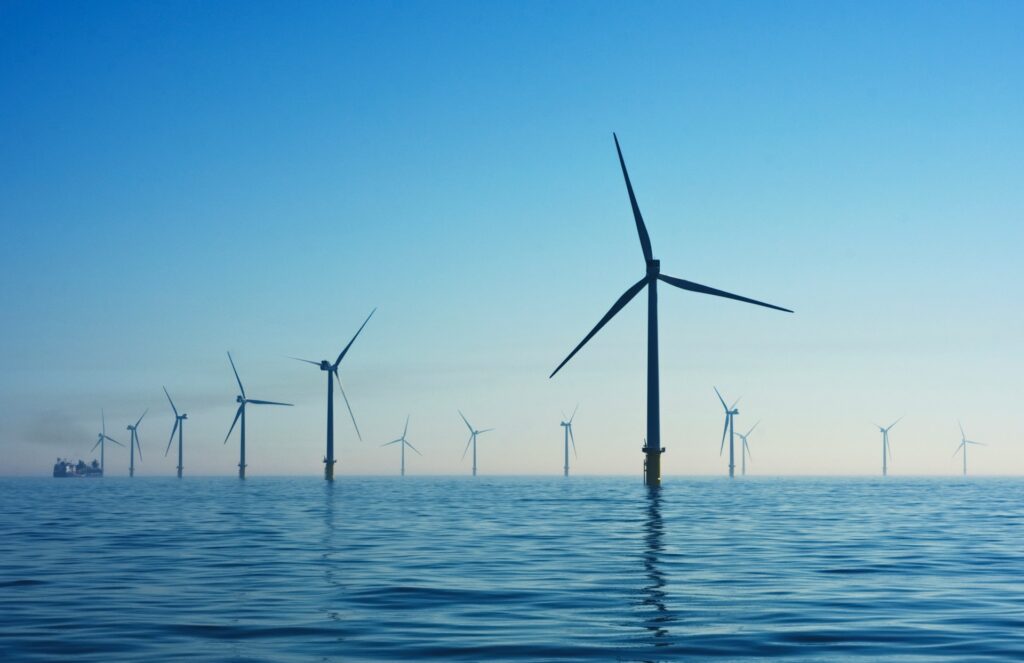
He pointed out: “In the Coalition years, one big success of the Industrial Strategy was attracting Siemens to make turbines in Hull. There are now 27 (foreign owned) factories in the UK. But only the Chinese are willing to make the high-tech and high-value nacelles (the ‘brain’ and ‘engine’ of the turbine) in the UK. Or were, until banned.”
A similar issue will arise with electric vehicles if the government fails to “demand that BYD and other Chinese companies make their cars and batteries here”, he said. “We should welcome Chinese manufacturers as we welcomed Nissan, Toyota and Honda. I was pleased to see that Nissan has agreed terms with the Chinese company Chery to make EVs in Sunderland.”
Closing his article with a maxim he said had guided his thinking since working on prospective investments in China decades ago, the Lib Dem grandee said: “‘Only the naïve ignore the threats; only fools ignore the opportunities.’ Let this be the last time folly prevails.”
The Department of Business and Trade was approached for comment but had not replied by time of publication.
- Do you have insight to share with our readers on this story? Get in touch with us on newsdesk@scotlandchinabrief.com.
Enjoyed this story?